ES ▾
Sewage Bio-Remediation in Detroit, MI
Licensed Detroit sewage bio-remediation pros using eco‑conscious methods and responsible disposal — honest pricing, fast scheduling, and work done right.
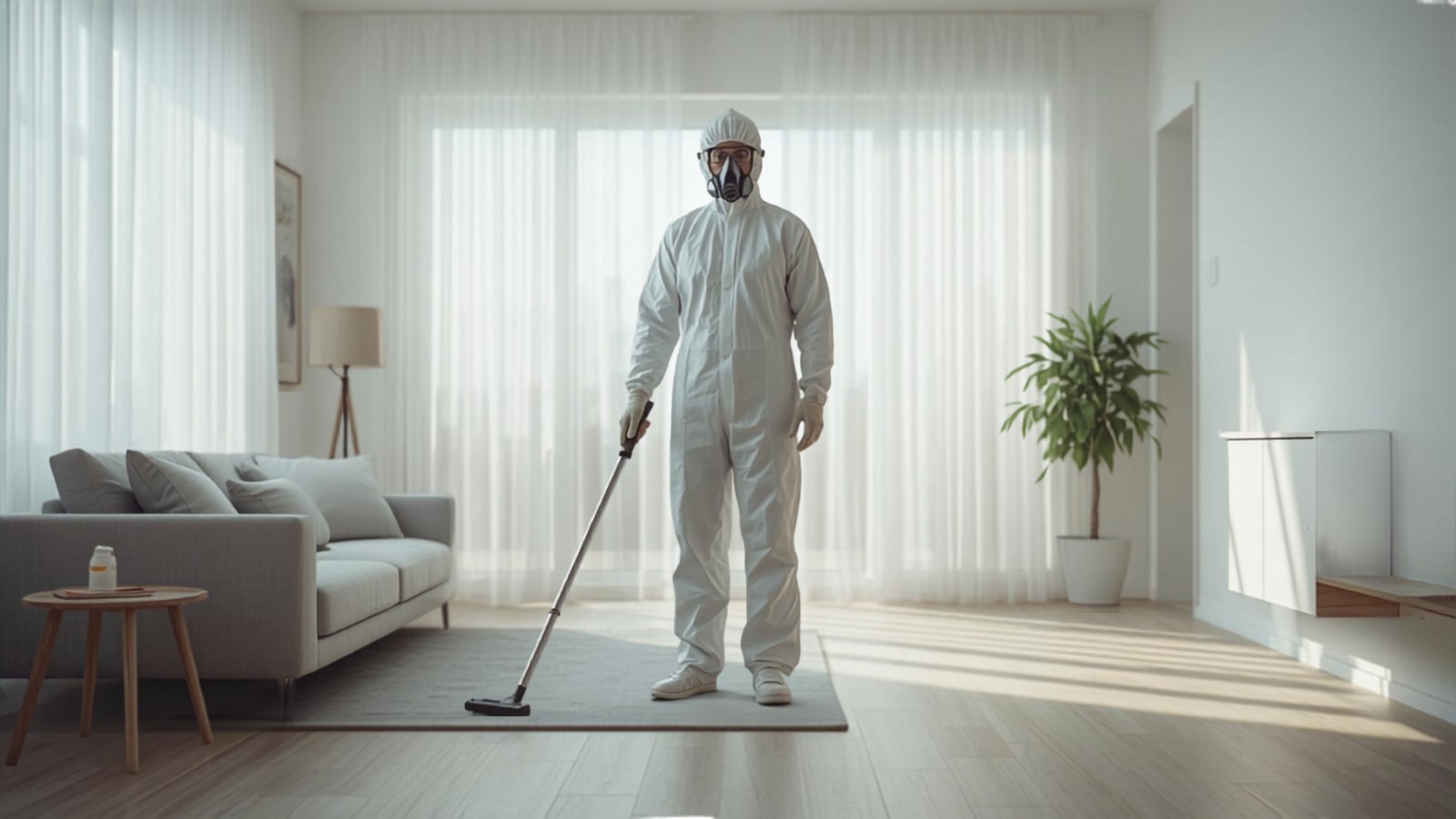
Qué incluye
Biorremediación de aguas residuales
De reparaciones urgentes a instalaciones planificadas, el equipo con licencia de Traffic Accident Cleanup Detroit se encarga de sewage bio-remediation en Detroit — con precio acordado antes de empezar.
How it works
Preguntas frecuentes sobre biorremediación de aguas residuales
¿Cuánto cuesta la limpieza de riesgos biológicos en Detroit?+
Why choose Traffic Accident Cleanup Detroit?+
¿Qué servicios de limpieza de riesgos biológicos ofrece en Detroit?+
¿Los profesionales de limpieza de residuos biológicos tienen licencia y seguro en Míchigan?+
¿A quién llamo para una emergencia de limpieza de riesgos biológicos en Detroit?+
¿Cómo puedo verificar que una empresa de limpieza de riesgos biológicos en Detroit esté licenciada y sea legítima?+
Sewage Bio-Remediation in Detroit
When raw sewage backs up into a Detroit property—whether from a collapsed main line, heavy flooding, or a neglected lateral—the contamination goes far beyond visible water damage. Sewage bio-remediation is the process of using biological agents, typically specialized bacteria and enzymes, to digest and neutralize the organic waste, pathogens, and volatile compounds that standard cleaning methods cannot fully eliminate. Unlike simple pressure washing or chemical disinfection, which may only push contaminants deeper into porous surfaces, bio-remediation introduces live microorganisms that break down fecal matter, urine, and other biohazards at the molecular level. This matters for Detroit properties because our city’s aging infrastructure and combined sewer systems mean that backups often contain not just household waste but also industrial runoff, street debris, and underground seepage. Once the organic material is consumed, the remaining byproducts are non-toxic water and carbon dioxide, leaving the affected area genuinely clean rather than merely masked.
The process begins with a thorough assessment of the contamination zone, often requiring removal of saturated drywall, flooring, and insulation. We then apply a carefully calibrated solution of aerobic and anaerobic bacteria tailored to the specific waste profile. These microbes are introduced through low-pressure spraying or fogging, ensuring they reach every crack, seam, and porous surface where harmful bacteria may be hiding. The biological activity continues for 24 to 72 hours, during which time we monitor moisture levels and pH balance to keep the environment optimal for digestion. After the bio-remediation cycle completes, we test the area with ATP swabs to confirm pathogen reduction, then apply a final enzyme-based deodorizer that eliminates lingering odors without harsh fragrances. For Detroit homes and businesses, this approach is critical because the dense, clay-heavy soil around many properties can trap sewage gases and cause recurring smells