ES ▾
Limpieza de Riesgos Biológicos en Espacios Reducidos en Detroit, MI
Profesionales con licencia en limpieza de riesgos biológicos en espacios reducidos en Detroit, que utilizan métodos ecológicos y eliminación responsable: precios honestos, programación rápida y trabajo bien hecho.
Qué incluye
Confined Space Biohazard Cleanup
De reparaciones urgentes a instalaciones planificadas, el equipo con licencia de Traffic Accident Cleanup Detroit se encarga de la limpieza de riesgos biológicos en espacios reducidos en Detroit, con precio acordado antes de empezar.
How it works
Preguntas frecuentes sobre limpieza de residuos biológicos en espacios confinados
¿Cuánto cuesta la limpieza de biohazards en Detroit?+
¿Por qué elegir a Traffic Accident Cleanup Detroit?+
¿Qué servicios de limpieza de residuos biológicos ofrecen en Detroit?+
¿Los profesionales de limpieza de residuos biológicos tienen licencia y seguro en Míchigan?+
¿A quién llamo para una emergencia de limpieza de biohazards en Detroit?+
¿Cómo puedo verificar que una empresa de limpieza de biohazards en Detroit esté licenciada y sea legítima?+
Confined Space Biohazard Cleanup in Detroit
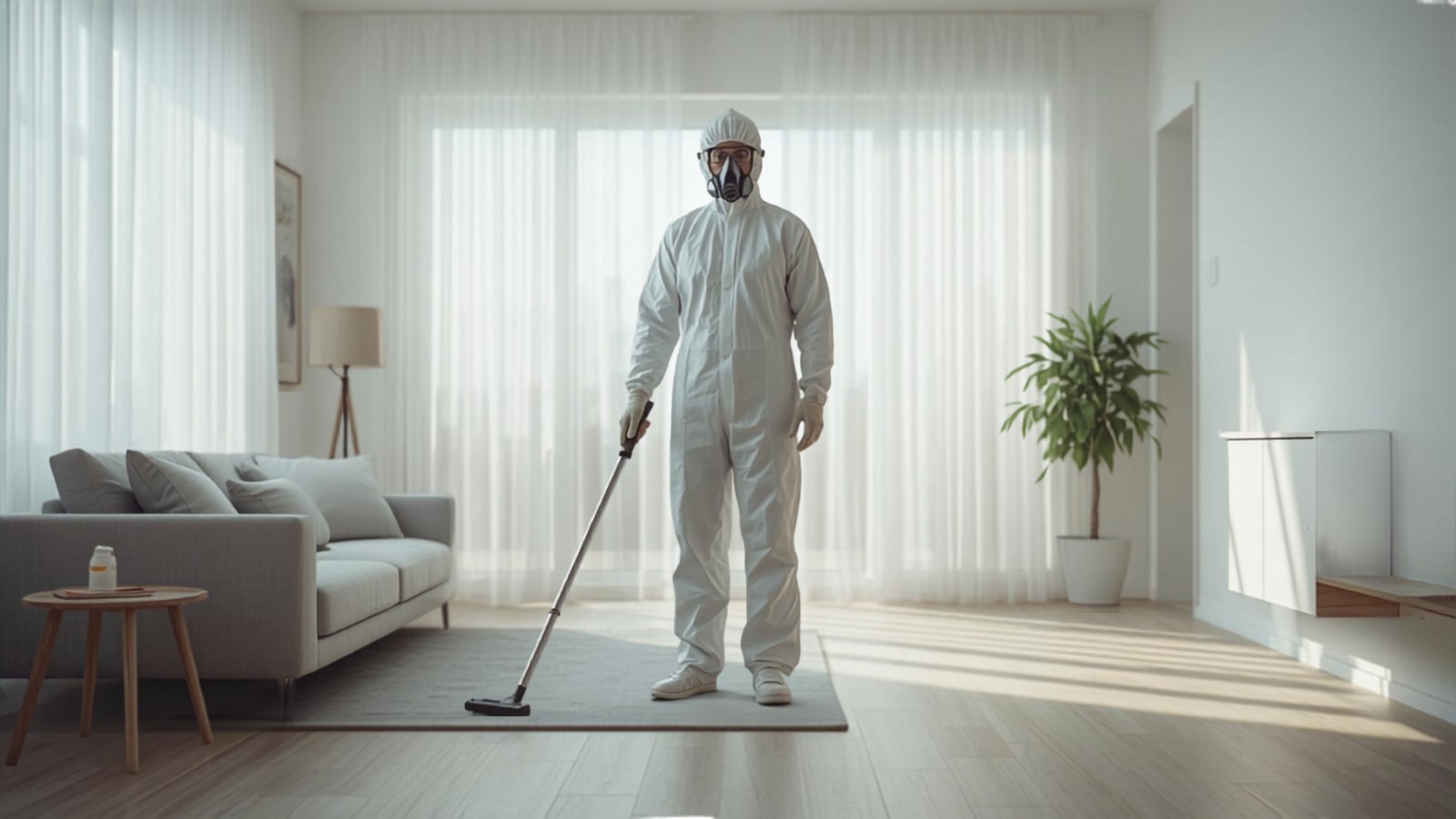
Confined space biohazard cleanup in Detroit involves the remediation of hazardous biological materials—such as blood, bodily fluids, or decomposed tissue—within enclosed areas that are difficult to access, poorly ventilated, or structurally confined. These spaces often include crawlspaces, attics, basements, storage closets, elevator shafts, and mechanical rooms where trauma incidents, unattended deaths, or hoarding situations have occurred. The work requires specialized equipment, including respirators, full-body protective suits, and industrial-grade HEPA vacuums, to safely remove contaminants without spreading pathogens into the surrounding environment. Technicians must navigate tight corners, low ceilings, and limited lighting while ensuring every surface is disinfected and deodorized to prevent mold growth, bacterial spread, or lingering odors. For Detroit properties—from century-old residential homes in neighborhoods like Bagley to commercial buildings in the Art District—this work is critical because confined spaces can trap biohazards, leading to long-term health risks for occupants, structural damage, and legal liability if not properly handled. The process begins with a risk assessment to identify entry points, ventilation needs, and the extent of contamination, followed by containment using polyethylene barriers and negative air pressure units. Technicians then manually remove biohazardous waste, which is double-bagged and disposed of according to Michigan state regulations, before applying antimicrobial fogging and enzymatic cleaners to neutralize pathogens at a microscopic level. This is not a job for standard cleaning crews; it demands rigorous training in OSHA confined space entry protocols, bloodborne pathogen handling, and psychological resilience due to the often disturbing nature of the scenes encountered.
Why does this matter for Detroit? The city’s aging infrastructure includes many older buildings with unsealed crawlspaces, abandoned industrial sites, and multi-unit properties where confined spaces are common. Unattended deaths in apartments or homes, for instance, can lead to biohazard saturation in areas like subfloors or wall cavities that are invisible to residents. Without professional confined space cleanup, these spaces become reservoirs for infectious diseases, pests, and offensive odors that can spread through shared ventilation systems—a real concern in Detroit’s dense neighborhoods such as Banglatown or near the 107.5 FM WGPR station. Traffic Accident Cleanup Detroit brings the necessary expertise to handle these sensitive situations discreetly and thoroughly, ensuring that Detroit properties are restored to a safe, livable condition.
Areas We Cover in Detroit
We provide confined space biohazard cleanup across Detroit, including neighborhoods such as Airport Sub, Arden Park, the Art District, Aviation Sub, Bagley, and Banglatown. Our team also services areas near local landmarks like -320° Coffee & Creamery, (revolver), ~W~ Liquor Beer Wine Lotto, and the 107.5 FM WGPR broadcast station. Whether the site is a residential basement in Arden Park or a commercial crawlspace near the Art District, we respond to all Detroit locations where confined space hazards require professional remediation.
What to Expect
When you contact us for confined space biohazard cleanup, here is what the process involves:
- A site evaluation to determine the type of biohazard, space dimensions, and ventilation needs
- Setup of containment barriers and negative air pressure to prevent cross-contamination
- Manual removal of all biohazardous materials, including saturated materials and debris
- Detailed cleaning of all surfaces using hospital-grade disinfectants and antimicrobial treatments
- Odor neutralization using ozone or hydroxyl generators to eliminate residual smells
- Proper disposal of all waste in compliance with Michigan biohazard regulations
- A final inspection to confirm the space is safe for reentry
Call to Action
If you need confined space biohazard cleanup in Detroit, contact Traffic Accident Cleanup Detroit today to schedule an assessment. Our team is ready to handle these complex, sensitive situations with professionalism and care.